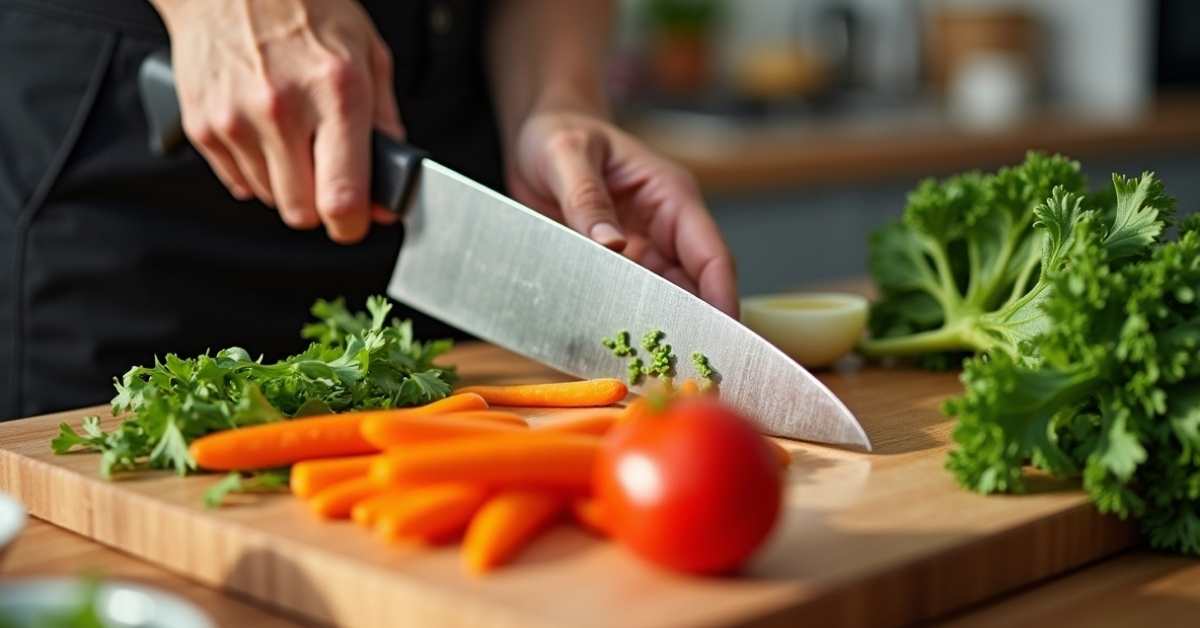
How Do Professional Chefs Chop Onions Quickly and Perfectly
Mastering How Chefs Chop Onions with Precision and Speed
Understanding how chefs chop onions is one of the most valuable kitchen skills you can learn. Onions are a foundational ingredient in countless dishes, and the way they are cut directly impacts flavor, texture, and presentation. Professional chefs are known for their speed and consistency, but what truly sets them apart is their technique, knife control, and efficiency.
If you have ever struggled with uneven pieces, watery eyes, or slow prep time, learning how chefs chop onions can transform your cooking experience. With the right approach, you can achieve clean, uniform cuts while minimizing waste and effort. This guide breaks down the professional methods used in kitchens around the world, helping you replicate those results at home.
Why Proper Onion Chopping Matters
Chopping onions correctly is about more than just speed. The size and shape of onion pieces affect how they cook and how their flavor is released. Finely chopped onions blend smoothly into sauces, while larger pieces provide texture and bite.
Professional chefs focus on:
- Consistency in size for even cooking
- Efficiency to save time during prep
- Clean cuts to preserve flavor
- Minimizing waste
When onions are cut unevenly, some pieces may burn while others remain undercooked. Mastering proper technique ensures better results in every dish.
Choosing the Right Knife for Onion Chopping
A chef’s knife is the most commonly used tool for chopping onions. Its wide blade and sharp edge allow for smooth, controlled cuts.
Key features of a good knife include:
- Sharp, durable blade
- Balanced weight for control
- Comfortable grip
- Adequate blade length for larger onions
Using the right knife makes a significant difference in both speed and safety. If you want to explore ideal knife options, this guide on how chefs chop onions provides helpful insights into selecting the best tools for the job.
Preparing the Onion for Cutting
Before chopping, proper preparation is essential. Start by placing the onion on a stable cutting board. Slice off the top (stem end) while keeping the root end intact. The root holds the onion layers together, making it easier to chop.
Next, peel off the outer skin. If the skin is stubborn, make a shallow cut along the side to remove it easily.
Cut the onion in half from top to root. Lay each half flat on the cutting board to create a stable base. This prevents slipping and allows for precise cuts.
The Professional Onion Chopping Technique
Step 1: Horizontal Cuts
Place one half of the onion flat-side down. Hold it firmly and make horizontal cuts parallel to the cutting board. Do not cut through the root end, as it keeps the layers intact.
Step 2: Vertical Cuts
Next, make vertical cuts from top to root. Again, avoid cutting all the way through the root. These cuts determine the width of your onion pieces.
Step 3: Final Chop
Turn the onion and slice across the previous cuts. As you cut, the onion naturally falls into evenly sized pieces.
This three-step method is the foundation of how chefs chop onions efficiently and consistently.
Knife Technique and Hand Positioning
Professional chefs rely heavily on proper hand positioning for both safety and control.
The Claw Grip
Curl your fingers inward while holding the onion. Your knuckles should guide the knife, keeping your fingertips safe.
Rocking Motion
Use a rocking motion with the knife, keeping the tip in contact with the cutting board while lifting and lowering the handle.
Controlled Movements
Avoid rushing. Focus on smooth, controlled motions to maintain precision.
Mastering these techniques allows you to chop onions quickly without compromising safety.
How Chefs Maintain Speed Without Losing Accuracy
Speed in professional kitchens comes from practice and efficiency, not rushing. Chefs develop muscle memory that allows them to move quickly while maintaining control.
Key habits include:
- Keeping knives extremely sharp
- Using consistent cutting patterns
- Minimizing unnecessary movements
- Organizing the workspace efficiently
Over time, these habits reduce preparation time significantly while ensuring consistent results.
Reducing Tears While Chopping Onions
One of the most common challenges when chopping onions is dealing with tears. Onions release a gas that irritates the eyes when cut.
Professional chefs use several methods to minimize this effect:
- Using a sharp knife to reduce cell damage
- Chilling the onion before cutting
- Working quickly to limit exposure
- Keeping the root end intact as long as possible
Good ventilation in the kitchen also helps disperse the gas.
Common Onion Cutting Styles Used by Chefs
Different recipes require different onion cuts. Professional chefs adapt their technique based on the dish.
Dice
Uniform cubes are ideal for sauces, soups, and sautéing.
Slices
Thin slices are perfect for caramelizing or adding to salads.
Mince
Very fine cuts are used for dressings and delicate dishes.
Rings
Used for frying or garnishing, onion rings require precise slicing.
Each style requires slight adjustments in technique but follows the same foundational principles.
Mistakes to Avoid When Chopping Onions
Even with the right technique, certain mistakes can affect your results.
Cutting Off the Root Too Early
Removing the root before chopping causes the onion layers to separate, making it harder to cut evenly.
Using a Dull Knife
A dull blade crushes the onion instead of slicing it cleanly, releasing more irritants and causing uneven pieces.
Rushing the Process
Trying to chop too quickly without proper control increases the risk of injury and poor results.
Uneven Cuts
Inconsistent sizes lead to uneven cooking and affect the texture of your dish.
Improving Your Onion Chopping Skills
Becoming proficient at how chefs chop onions requires practice and attention to detail. Start slowly, focusing on accuracy rather than speed.
Practice regularly and pay attention to:
- Knife sharpness
- Hand positioning
- Cutting consistency
- Efficiency of movement
As your confidence grows, your speed will naturally improve without sacrificing quality.
For those looking to refine their skills further, this resource on how chefs chop onions offers additional guidance on tools and techniques used by professionals.
Maintaining Your Knife for Better Performance
A sharp knife is essential for efficient onion chopping. Regular maintenance ensures consistent performance and safety.
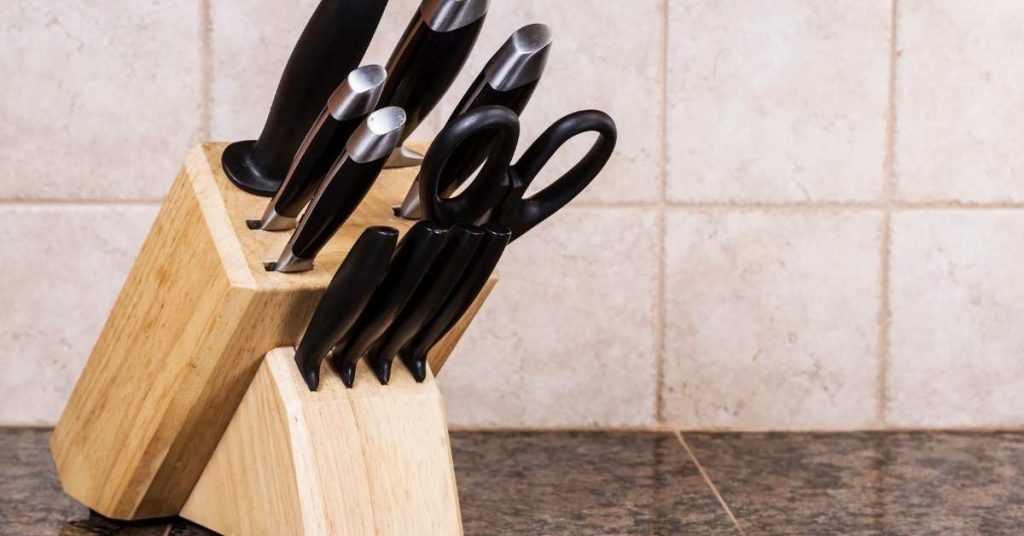
Clean your knife after each use and dry it thoroughly. Sharpen it regularly using a whetstone or professional service. Proper storage, such as a knife block or magnetic strip, helps protect the blade.
A well-maintained knife not only improves your cutting technique but also reduces the effort required to chop onions.
Advanced Techniques for Professional Results
Once you have mastered the basics, you can explore advanced techniques to enhance your skills.
Fine Brunez
This involves cutting onions into very small, uniform cubes for refined dishes.
Rapid Chopping
With experience, chefs can perform the chopping sequence quickly while maintaining precision.
Multi-Onion Prep
Professionals often prepare multiple onions at once, using consistent techniques to maintain efficiency.
These advanced methods require practice but can significantly improve your overall kitchen performance.
Developing Confidence in the Kitchen
Learning how chefs chop onions is a foundational skill that builds confidence in the kitchen. As you become more comfortable with your knife and technique, you will find it easier to handle other ingredients as well.
Consistency, patience, and proper tools are the keys to success. By focusing on technique and practicing regularly, you can achieve professional-level results and make your cooking process more efficient and enjoyable.














Post Comment