
Ultimate Beginner’s Guide to Yoga Stretching and Home Workout Routines for Daily Fitness
Building a Strong Foundation with Yoga Stretching Exercises for Beginners
Introduction to a Balanced Fitness Lifestyle
A healthy lifestyle begins with simple, consistent habits that support both the body and mind. For beginners, starting a fitness journey can feel overwhelming, especially when faced with countless workout options and complex routines. That is why many fitness experts recommend beginning with gentle movements that improve flexibility, mobility, and overall body awareness. Yoga stretching exercises are one of the most effective ways to ease into fitness while reducing stress and preventing injuries. By combining stretching with structured workouts, an individual can create a sustainable routine that supports long-term wellness and physical strength.
Why Yoga Stretching is Ideal for Beginners
Yoga stretching exercises for beginners provide a gentle introduction to movement without putting excessive strain on the body. These exercises focus on improving flexibility, balance, and posture, making them ideal for individuals who are new to fitness or returning after a long break. Unlike high-intensity workouts, yoga emphasizes slow, controlled movements and mindful breathing, which helps reduce the risk of injury. It also promotes mental clarity and relaxation, allowing individuals to build a strong connection between mind and body. This combination of physical and mental benefits makes yoga stretching a perfect starting point for beginners.
Getting Started with Yoga Stretching
Starting a yoga routine does not require expensive equipment or a gym membership. A simple yoga mat and a quiet space are enough to begin. Beginners should focus on learning basic poses and maintaining proper form rather than rushing into advanced techniques. Consistency is more important than intensity in the early stages. Following a structured guide like yoga stretching exercises for beginners can help individuals understand proper posture and movement patterns. Over time, these simple stretches can significantly improve flexibility, reduce muscle tension, and enhance overall physical comfort.
Key Benefits of Yoga Stretching Exercises
Improved Flexibility and Mobility
One of the most noticeable benefits of yoga stretching is improved flexibility. Regular stretching helps lengthen muscles and increase joint range of motion, making everyday movements easier and more comfortable. Beginners often experience stiffness in areas such as the hips, shoulders, and lower back, which can be relieved through consistent stretching. Improved mobility also reduces the risk of injuries during other physical activities. As flexibility increases, individuals can perform movements with greater ease and confidence, enhancing overall physical performance and quality of life.
Enhanced Posture and Alignment
Poor posture is a common issue, especially for individuals who spend long hours sitting or working at a desk. Yoga stretching exercises help correct posture by strengthening core muscles and aligning the spine. Proper alignment reduces strain on the back and neck, preventing chronic pain and discomfort. Beginners who practice yoga regularly often notice improvements in their posture within a few weeks. This not only enhances physical appearance but also contributes to better breathing and increased energy levels throughout the day.
Stress Reduction and Mental Clarity
Yoga is not just a physical practice; it also has profound mental benefits. The combination of deep breathing and mindful movement helps calm the nervous system and reduce stress. Beginners often find yoga to be a relaxing escape from daily pressures, allowing them to focus on the present moment. Regular practice can improve mood, reduce anxiety, and promote better sleep. These mental benefits make yoga stretching an essential part of a holistic wellness routine that supports both physical and emotional health.
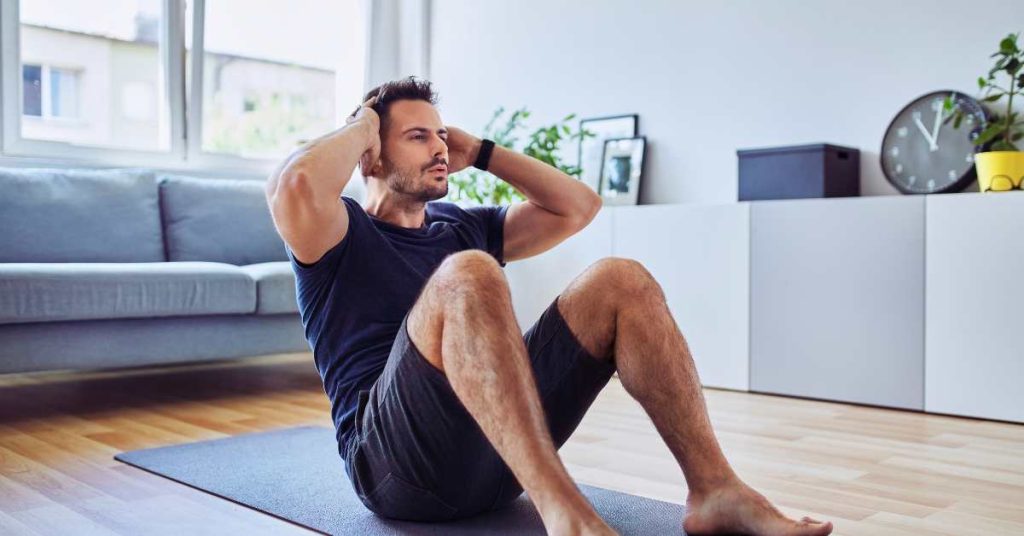
Essential Yoga Stretches for Beginners
Forward Fold Stretch
The forward fold is a simple yet effective stretch that targets the hamstrings, calves, and lower back. Beginners can perform this stretch by standing upright and slowly bending forward while keeping the knees slightly bent. This movement helps release tension in the spine and improves flexibility in the lower body. It is important to move slowly and avoid forcing the stretch, allowing the body to relax naturally into the position.
Cat-Cow Stretch
The cat-cow stretch is a dynamic movement that improves spinal flexibility and relieves tension in the back. Beginners can perform this stretch on all fours, alternating between arching and rounding the spine. This gentle movement increases blood flow to the spine and promotes better posture. It is especially beneficial for individuals who experience stiffness or discomfort in the back due to prolonged sitting.
Child’s Pose
Child’s pose is a restorative stretch that helps relax the body and mind. This pose gently stretches the hips, thighs, and lower back while promoting deep breathing. Beginners often use this pose as a resting position between more active stretches. It is an excellent way to release tension and reset the body during a yoga session.
Combining Yoga with a Home Workout Routine
While yoga stretching provides a strong foundation, combining it with a structured workout routine can enhance overall fitness. A balanced approach that includes strength training, cardio, and flexibility exercises ensures comprehensive physical development. Beginners can benefit from following a structured plan such as a 30 minute home exercise routine to build strength and endurance. This combination allows individuals to improve cardiovascular health while maintaining flexibility and mobility.
Designing a Balanced Weekly Routine
Day 1: Focus on Flexibility
The first day of the routine can focus on yoga stretching exercises to improve flexibility and relax the body. Beginners should dedicate time to practicing basic poses and breathing techniques. This helps prepare the body for more intense workouts later in the week.
Day 2: Strength Training
Strength training exercises such as bodyweight squats, push-ups, and lunges can help build muscle and improve overall fitness. These exercises should be performed with proper form to prevent injuries. Beginners can start with low repetitions and gradually increase intensity over time.
Day 3: Active Recovery
Active recovery is essential for preventing burnout and allowing the body to heal. Light stretching or gentle yoga sessions can help maintain flexibility while giving muscles time to recover. This approach ensures consistent progress without overexertion.
Importance of Consistency and Progression
Consistency is the key to achieving long-term fitness goals. Beginners should focus on building a routine that they can maintain over time rather than aiming for quick results. Gradual progression is essential to avoid injuries and ensure steady improvement. By increasing the intensity and duration of workouts gradually, individuals can build strength and endurance without overwhelming their bodies. Tracking progress and setting realistic goals can also help maintain motivation and commitment.
Nutrition and Hydration for Better Results
A balanced diet plays a crucial role in supporting a fitness routine. Proper nutrition provides the energy needed for workouts and aids in muscle recovery. Beginners should focus on consuming a mix of proteins, carbohydrates, and healthy fats to support overall health. Hydration is equally important, as it helps regulate body temperature and maintain optimal performance during exercise. Drinking enough water throughout the day ensures that the body functions efficiently and reduces the risk of fatigue.
Common Mistakes to Avoid
Skipping Warm-Up and Cool-Down
Many beginners overlook the importance of warming up and cooling down. Skipping these steps can increase the risk of injuries and reduce the effectiveness of workouts. A proper warm-up prepares the body for physical activity, while a cool-down helps relax muscles and prevent stiffness.
Overtraining
Overtraining can lead to fatigue, injuries, and burnout. Beginners should listen to their bodies and allow adequate time for rest and recovery. It is important to balance workout intensity with proper recovery to achieve sustainable results.
Ignoring Proper Form
Maintaining proper form is essential for preventing injuries and maximizing the benefits of exercise. Beginners should focus on learning correct techniques and avoid rushing through movements. Seeking guidance from reliable sources, such as the detailed insights available on Healthline, can help ensure safe and effective practice.
Long-Term Benefits of a Combined Fitness Approach
Combining yoga stretching exercises with a structured home workout routine offers numerous long-term benefits. This approach improves flexibility, strength, and cardiovascular health while promoting mental well-being. Over time, individuals can achieve a balanced physique and enhanced overall health. The integration of different exercise types ensures that all aspects of fitness are addressed, leading to sustainable and holistic results.
Building a Sustainable Fitness Habit
Creating a sustainable fitness habit requires patience, dedication, and a positive mindset. Beginners should focus on enjoying the process rather than striving for perfection. Setting achievable goals and celebrating small milestones can help maintain motivation. By incorporating yoga stretching exercises and home workouts into daily life, individuals can develop a routine that supports long-term health and well-being.
Conclusion: A Journey Toward Better Health
Starting a fitness journey can be challenging, but with the right approach, it becomes an enjoyable and rewarding experience. Yoga stretching exercises for beginners provide a gentle introduction to movement, while a structured home workout routine builds strength and endurance. Together, these practices create a balanced and effective fitness plan. By staying consistent, maintaining proper form, and focusing on overall well-being, individuals can achieve lasting results and enjoy a healthier, more active lifestyle.













Post Comment